Cleanup Tools

Updated VPLE Insurance Fees

The Voluntary Party Liability Exemption (VPLE) Insurance fee schedule (RR-661) is now updated and available on the DNR website. The VPLE program allows anyone to conduct an assessment and remedial action of an entire property with DNR oversight to obtain a liability exemption. Insurance is required for VPLE sites where groundwater contamination levels are above enforcement standards and the DNR determines that natural attenuation will restore groundwater quality.

The new insurance fees have gone down slightly and will be in effect until November 1, 2018. The application form, process, and the former use categories (commercial, light industrial, etc.) remain the same.

VPLE insurance is now provided through Ironshore Insurance Services. Any questions about this insurance requirement should be directed to Michael Prager, (608) 261-4927.

2016 VPLE Report Now Available

The DNR Remediation and Redevelopment program has prepared a biannual report on the Voluntary Party Liability Exemption (VPLE) program. The report, required by law, provides the legislature and the Governor information about the performance of the VPLE program. The Program, which has helped many brownfields redevelopment projects across the state, allows for anyone to conduct an environmental investigation and remedial action of an entire property with DNR oversight and receive exemptions from liability. The report is available here: http://dnr.wi.gov/files/PDF/pubs/rr/RR929.pdf


Wetland Guidance Now Available

The DNR’s Bureau of Watershed Management recently finalized and published new guidance, titled “Review of Wetlands on Dormant Development Sites,” for use by staff when addressing how to review dormant development sites with wetlands that have not been previously identified.

This guidance is applicable, for example, to sites where development activities began, but then stopped, due to the downturn in the economy that began in approximately 2008. It also applies to jurisdictional wetlands that have been re-established or expanded in areas that had not been previously identified as a wetland. This guidance may have an impact on redevelopment sites and is now available on the DNR website.

No Increase to VPLE Review Fee for FY17

The Remediation and Redevelopment Program has recalculated the hourly review fee rate for sites in the Voluntary Party Liability Exemption (VPLE) program. As required by law (Wis. Admin. § NR 750.07), the fee is calculated each year using the rates for current wages, fringe and indirect costs. The rate will not change for the upcoming year and will continue to be $105/hour for the state fiscal year 2017 which began July 1, 2016 and ends June 30, 2017. This rate has remained unchanged since July 2014.

The Wisconsin DNR’s VPLE program allows for anyone to conduct a complete investigation and remedial action of a piece of property and receive an exemption from future liability that is transferable to future property owners. Participants in the VPLE program pay this fee for DNR staff to provide technical oversight of the work conducted as part of the remediation process.

More information about the VPLE program is available on the RR Program website: http://dnr.wi.gov/topic/brownfields/vple.html.

RR Program RCL Calculator Updated

The Wisconsin DNR updated the numerical soil standards, or residual contaminant levels (RCLs), in the Remediation and Redevelopment program’s spreadsheet of RCLs to reflect the US EPA June 2016 update to its Regional Screening Level (RSL) website. The RR Program RCL Spreadsheet Update (RR-052d) provides a summary of the updates incorporated in the June 2016 spreadsheet.

For more information and to access the RCL calculator (macro and non-macro versions), visit the Resources for Environmental Professionals webpage and click on the “Soil RCLs” tab.


Brownfield Awards go to Three Communities in Wisconsin

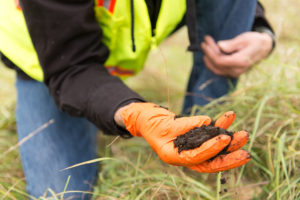
Three Wisconsin Assessment Monies (WAM) Contractor Services Awards were awarded to assess contamination at two former wood-processing plants and a former creamery in Clark, Lincoln and Rusk counties.Investigating for Contamination

The projects are valued up to $18,000 each. The services will be used to determine soil and groundwater conditions at the former Owen Manufacturing wood-processing plant in Clark County; the former Hurd Manufacturing facility in Merrill/Lincoln counties; and at the former Sheldon Creamery in Rusk County.

See the full article for more information.

Leverage Resources for Brownfields Redevelopment

The US EPA’s new guide – Setting the Stage for Leveraging Resources for Brownfields Revitalization assists communities in overcoming the challenges of making sound investment decisions to attract additional resources for brownfields revitalization projects. This guide is intended to help communities identify how best to invest limited local resources that could potentially open opportunities for additional public funds and attract the interest and support of outside investors for additional funding.

BOTW Database Has Documents for Download

Did you know there are over 30,000 documents available for viewing and downloading on the Bureau for Remediation and Redevelopment Tracking System (BRRTS) on the Web (BOTW) database? BOTW is DNR’s online, public database that provides information about contaminated properties and other activities related to the investigation and cleanup of contaminated soil or groundwater in Wisconsin.

The DNR’s RR Program is adding new documents daily and working toward the goal of having the major reports, approvals and letters for all clean-up case files available online. Contact one of our Regional Environmental Program Associates (EPA) before making any plans or appointments to visit an office to review a file. There is a chance it is now available electronically.

US EPA Releases Online Mapping Tool to Help Protect Drinking Water Sources

Welcome page of DWMAPS displays search tools for users to find information about drinking water sources.

This robust, online mapping tool provides the public, water system operators, state programs, and federal agencies with critical information to help them safeguard the sources of America’s drinking water.

The DWMAPS – the Drinking Water Mapping Application to Protect Source Waters – allows users to learn about their watershed and understand more about their water supplier. The DWMAPS also allows users to see if sources of their drinking water are polluted and if there are possible sources of pollution that could affect their community’s water supply. The tool can even guide users to ways they can get involved in protecting drinking water sources in their community.

 For more information and to access the map visit http://www.epa.gov/sourcewaterprotection/dwmaps.